The world's longest railway turns a map into a lived experience, one time zone at a time.
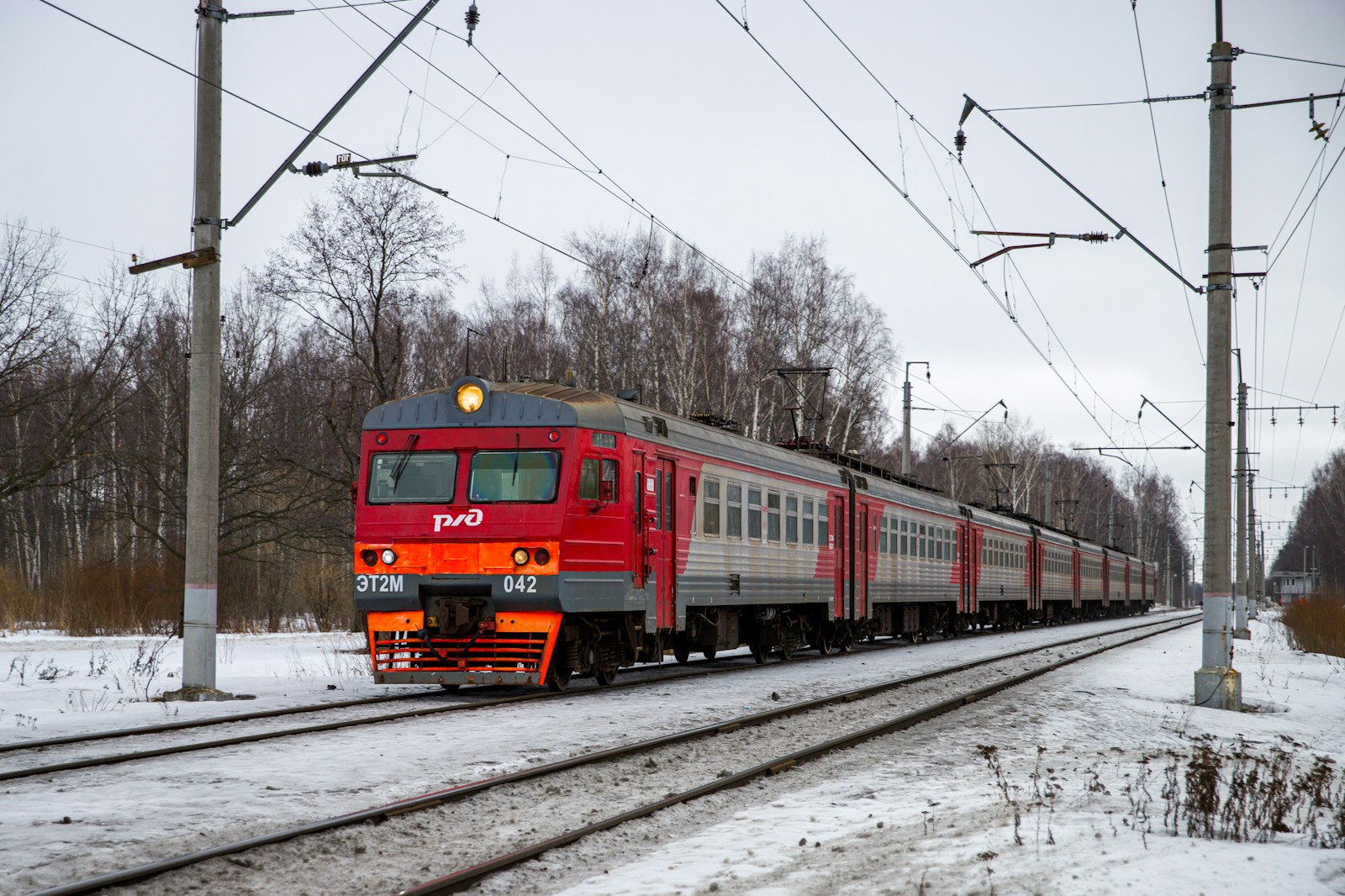
You board in Moscow with a paper ticket, a compartment number, and roughly nine thousand kilometres ahead of you. The first day is birch forest and provincial stations, the platforms crowded with babushkas selling smoked fish and boiled potatoes through the carriage windows during the longer stops. Time stops mattering in the usual sense — you start living by the train's Moscow-time clock instead of the sun outside.
Compartment life has its own rhythm: glasses of tea in metal holders from the samovar at the end of the carriage, games of cards with whichever nationality you happen to be sharing a cabin with, long silent stretches watching taiga scroll past for hours without a single building. Pack more food than you think you need — the dining car is inconsistent, and the best meals come from platform vendors at Yekaterinburg and Irkutsk.
Break the journey at Lake Baikal — most travellers stop in Irkutsk and take a side trip to Listvyanka or Olkhon Island, where the world's deepest lake sits impossibly blue against the hills. It resets you for the final push through the Russian Far East to Vladivostok, where the railway meets the Pacific and the whole continent-crossing scale of the trip finally lands.
Book a second-class kupe compartment rather than the open-plan platzkart if you want a door that closes, and bring a Russian phrasebook — English thins out fast east of the Urals. The provodnitsa (carriage attendant) runs your world for a week; a friendly relationship with her matters more than any guidebook.