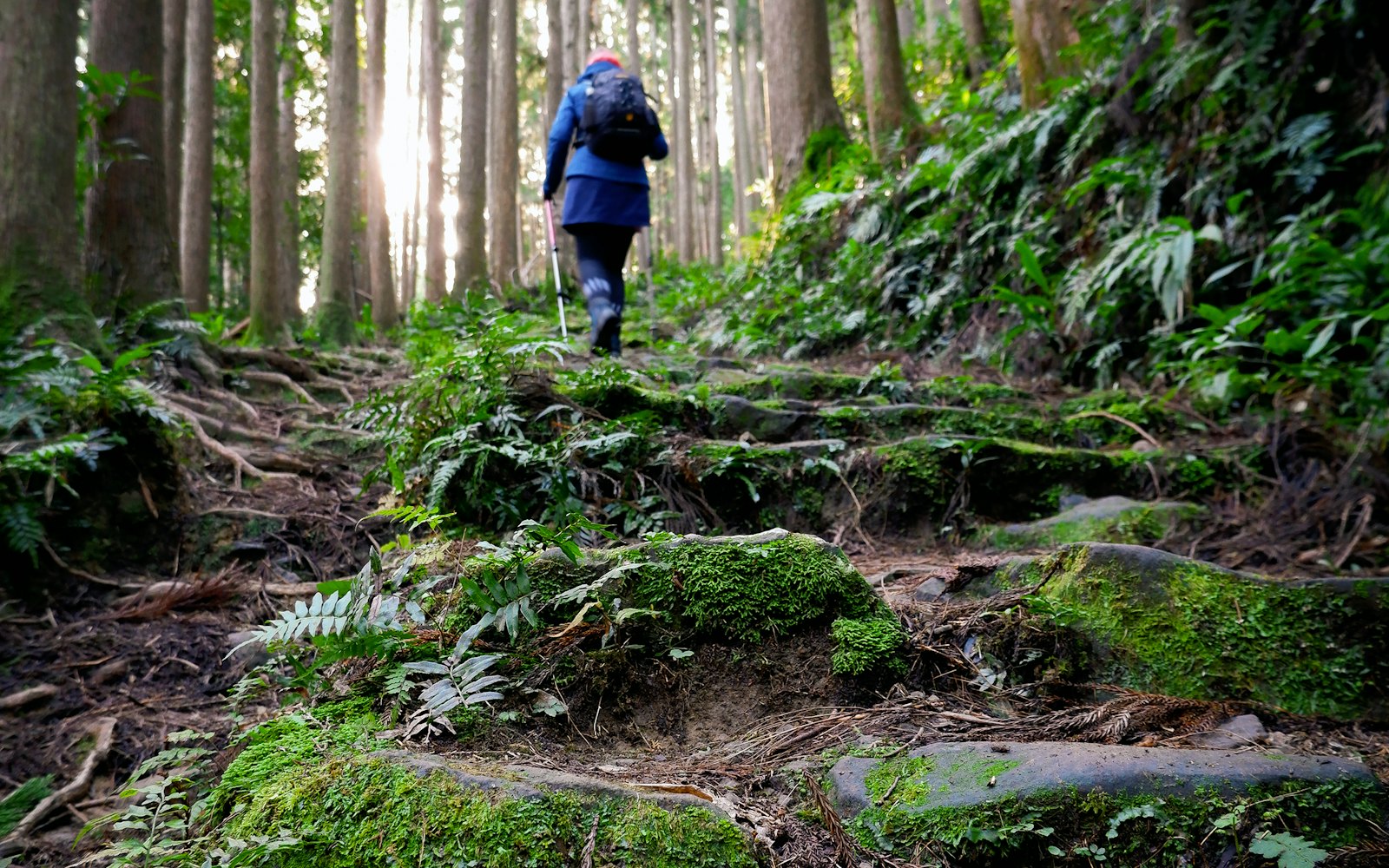
Japan's Kumano Kodo is not one trail but a web of ancient pilgrimage routes threading the forested Kii Peninsula — walked for over a thousand years by emperors and commoners alike toward the three grand shrines of Kumano.
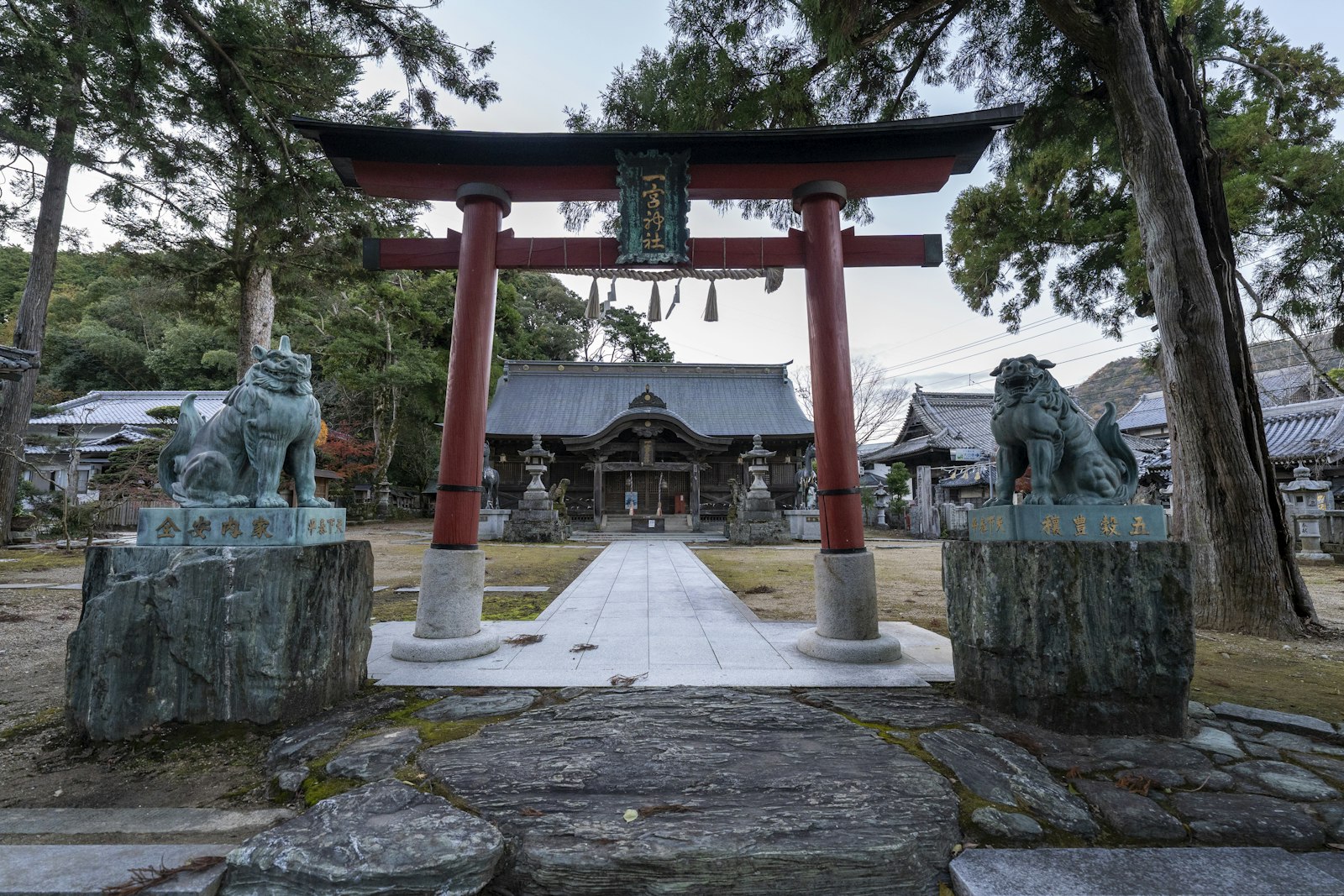
Most walkers start on the Nakahechi route from Takijiri-oji, where a small shrine marks the point pilgrims once believed they crossed into the sacred mountains. The path climbs immediately into cedar and cypress, the light going green and the city falling away within minutes.
Walking between the oji
The route is punctuated by oji — subsidiary shrines where pilgrims once stopped to pray and rest. Today they make natural waypoints, each with a weathered marker and often a bench worn smooth by centuries of tired legs. Between them the forest does the work of quieting your mind.
You sleep in family-run minshuku in mountain villages, where dinner is a dozen small dishes of river fish, mountain vegetables and rice, and the bath is scalding and communal. It is a walk measured in hospitality as much as kilometres.
The pilgrimage is less about arriving than about the rhythm of walking itself — one foot, then the other, under trees older than the shrines.
What the days actually look like
A typical Nakahechi itinerary runs four to five days at a gentle pace. The walking is rarely technical but the climbs are long, and the humidity in summer is real. Come in late autumn for cool air and maple colour, or spring for the cherry and the fresh green.
- Day 1 — Takijiri-oji to Takahara, the "village in the mist", for sunset over the ridges.
- Day 2 — Takahara to Chikatsuyu, the longest forest section.
- Day 3 — over the Mikoshi-toge pass down to Hongu and the vast Oyunohara torii gate.
- Day 4 — a river boat or the Kohechi high route toward Nachi and its waterfall shrine.
Practicalities
Buses link the trailheads to Kii-Tanabe station, which connects to Osaka in about two hours. Book minshuku well ahead in peak seasons — the villages are tiny and beds are few. Carry cash, a light rain shell, and a dual-pilgrim credential if you also plan to walk the Camino de Santiago, with which Kumano is formally twinned.