The best cooking classes in Tuscany happen in an actual family kitchen, flour on the table and a nonna correcting your technique rather than a demonstration in a purpose-built school.
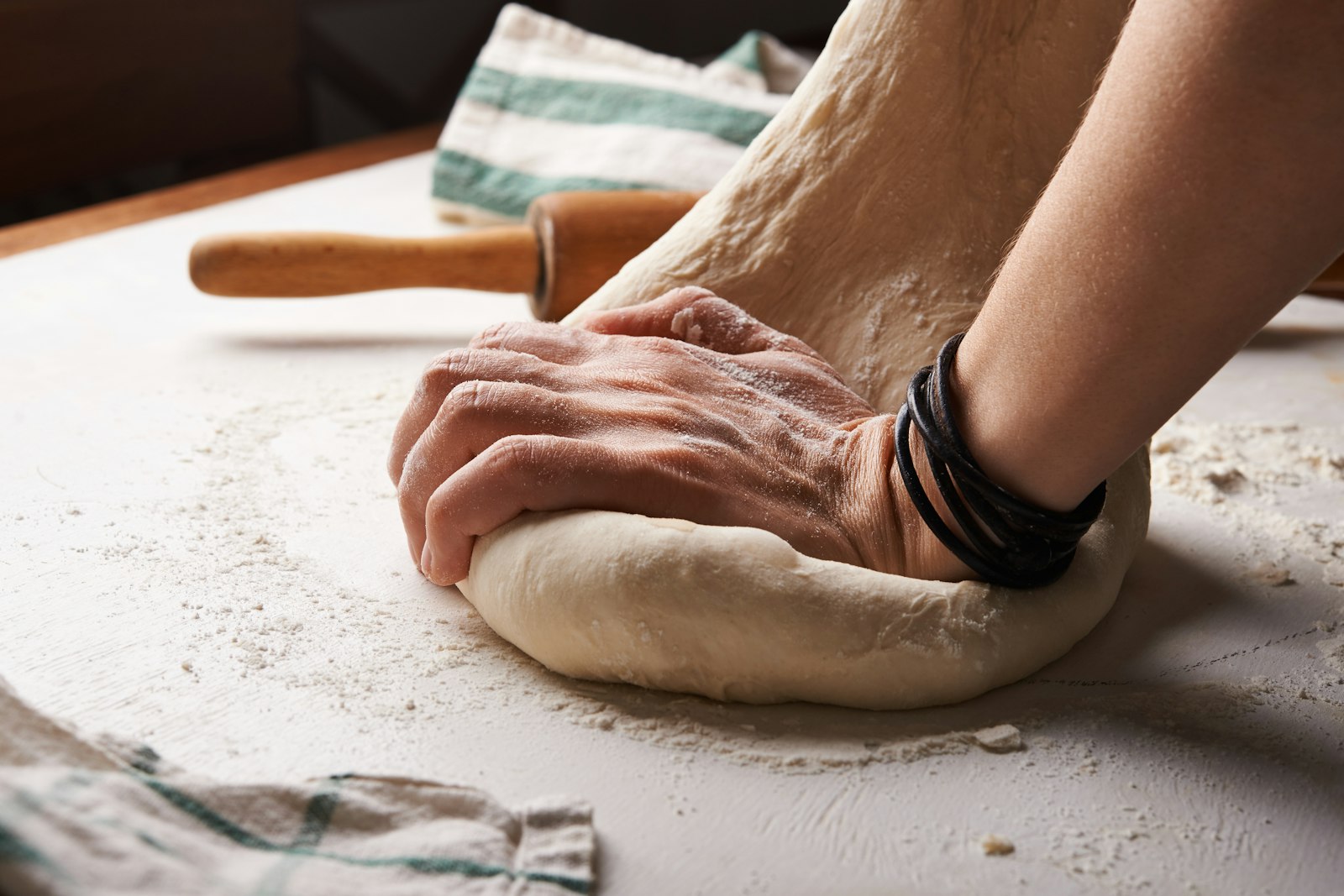
Classes typically begin the same way pasta has been made here for generations: a mound of flour on a wooden board, a well pressed into the center, whole eggs cracked in, and everyone working the dough by hand until it comes together — no mixer, no shortcuts. Rolling it thin enough with a long wooden pin takes real practice, and shaping it into tagliatelle, pici or ravioli by hand is where most of the laughing at your own clumsiness happens.
The sauce usually comes from whatever the farm's garden is producing that week, and the class often continues into an afternoon spent picking or prepping vegetables before returning to the stove. Lunch afterward is eaten together at a long table, usually with the family's own wine, and the pasta you shaped an hour earlier arrives as the meal's centerpiece.
Choose a small class, under eight people, run out of a real working farmhouse rather than a commercial cooking school in town — the smaller and more personal the setting, the more hands-on time you actually get. Arrive hungry, since you are expected to eat everything the group makes.